13 Lessons for Planters in the First Five Years
Mess up step 4 when assembling IKEA furniture and you’ll pay for it on step 96. Planting a church isn’t all that different. More and more, you will see planters acknowledge that it’s necessary to play the long game when planting. The first few years are important because they position you for health 10, 20, 40 years down the road. Get some key things wrong in the early years and the consequences may not be evident right away—but give it a decade and you’ll be in a mess.
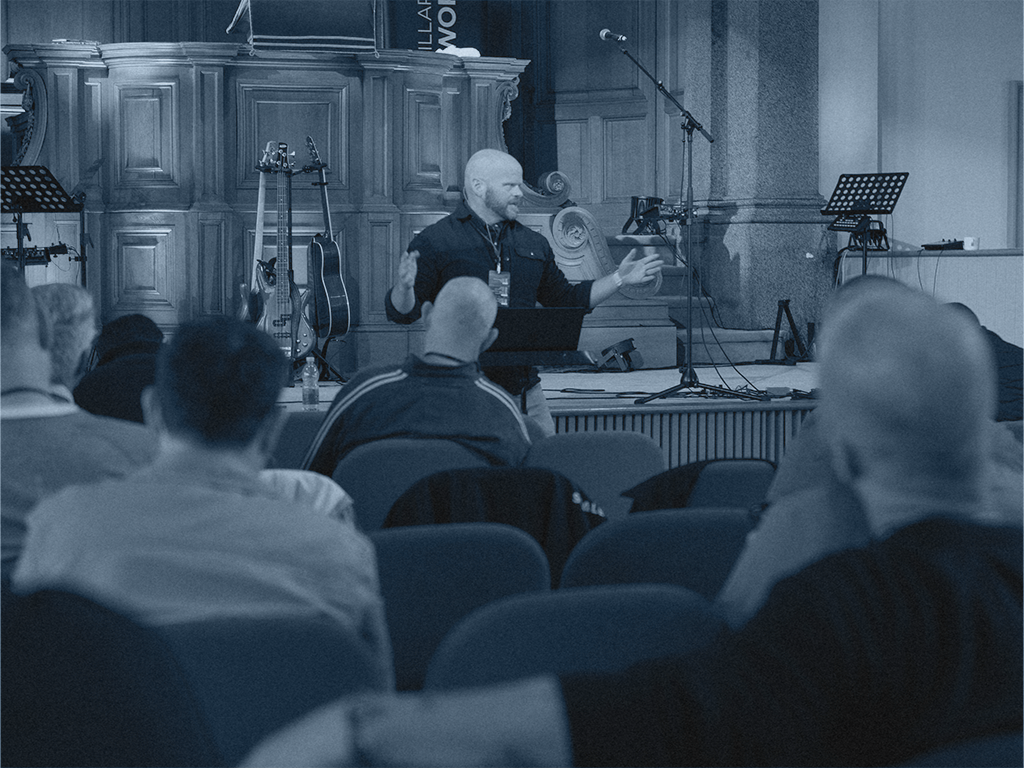
I was recently asked to give a talk to a group of international church planters on the critical facets of planting they should attend to in the first 5 years. My aim was specificity. I wanted to zero in on those first few years, especially men who are pastoring a plant for the first time. Here’s what I told them.
1. Meditate on your identity in Christ and allow those gospel truths to slowly and systematically help you love people rather than fear them.
Many will tell you that you must prioritize private devotions. This is certainly true. I encourage planters to focus their attention on their identity in Christ and the passive righteousness given to them through Jesus’ finished work. It seems to me that insecurity is the issue for most planters (and pastors). There’s something about this work that draws insecure men and trains them to work out their lack of self-worth through performance in ministry. This is a disaster waiting to happen. We can get away with insecurity early in the work because it will be excused as youthfulness and people will give us the benefit of the doubt. But over time it will become clear. You either use ministry to make you feel good about yourself or you trust the gospel and minister out of that security.
2. Embrace suffering as a catalyst for developing the character of a shepherd.
Most planters underestimate spiritual warfare and suffering, yet I’ve not met a planter who didn’t have some crazy, unexpected challenge thrown at them early on. Health crisis. Challenge with a kid. Death in the family. Major relational turmoil. It’s going to happen and you’ll either become defeated and bitter, or tender and kind. The choice between those options seems to be how you view suffering. Wise planters learn to embrace suffering because they know it’s doing something in them and to them that they couldn’t manufacture on their own. The shepherding gifts of mercy and compassion tend to grow in the soil of suffering.
3. Actually care about people.
The plant is only important so far as it is composed of actual people in need of shepherding and love. People know if you are just using them to build your thing vs. investing in them because you love them and want God’s best for them. Also, your people will overlook a bunch of the mistakes you make along the way if they know you care. Show up. Make the call. Drop everything to get to the house when tragedy strikes. Send a thoughtful text. Linger in the conversation. Show hospitality. Treat the church like a family and, over time, it will become one.
4. Give sufficient time and learn your rhythms for producing consistently above average sermons each week.
Clear and helpful, Christ-exalting sermons are at the core of healthy church life. Bad sermons week to week will starve a church. Pace and other responsibilities will try to crowd this out. You’ll also preach some mediocre or poor sermons in these early years and it will be easy to cave to discouragement (or hide in the bathroom after you preach). You’ll also watch other brothers preach amazing sermons and you’ll be tempted to assess your gifts on the basis of what you perceive to be others exceptional gifts. The key is to figure out a preparation rhythm that works for you and stick with it. Most of us are going to need the better part of a decade to get reasonably decent at preaching, so in the first five years don’t lose a ton of sleep if your sermons aren’t bangers. Keep making incremental progress by seeking, receiving, and learning from feedback in humility and without defensiveness.
5. Give your time to a few select men and don’t lose heart with some misfires along the way.
You’ll have to multiply your voice and instincts in a few other people. You can’t disciple everyone, so you pick a few and get to work. Ideally these early investments are future elders and ministry leaders. But be warned. Your batting average will not be perfect. You’ll have some flameouts. There will be capacity issues in some of those you disciple. People will bail on you, others will bad mouth you on the way out. People will want more from you than you can give. You’ll disappoint people along the way. It’s all unavoidable. But like sermon prep, you’ve got to stay at it. Year after year, invest your life in a few people and trust that God will raise up those He appoints for the work. You’re not a failure if some don’t work out any more than you are a failure if everyone with whom you share the gospel don’t come to faith.
6. Appoint godly elders and give grace as you learn to work together.
Many people, especially in the places I frequent, are convinced of the role of plurality in leadership and the challenges of the senior pastor, sole pastor, model. Be warned—a commitment to plurality is necessary but insufficient. The actual practice of plurality is fraught with complexity. There will be conflict. You’ll have some terrible meetings. You will offend and be offended. This is why the emphasis must be in getting godly, humble men in that mix. Humility and godliness can make up for a lot of bad decisions, whereas super gifted, but prideful, leaders are a terror. Get the right kind of people in the room and give grace to figure out how to work together.
7. Prioritize time and relationship with fellow pastors, staff, and key leaders.
Another variable that I’ve observed consistently among planters is most of them have a key relationship go sideways in the first five years. Many times this is a relationship with a fellow pastor. It’s crushing when it happens. Many times the mess is highly subjective and it’s virtually impossible to adjudicate who’s right and who’s wrong. I haven’t figured out the path to avoid this completely but time seems to be essential. Build legitimate friendships based on trust and mutual love. This doesn’t mean everyone is best buddies but you do have to spend time together in meals, hangouts, fun, informal conversation, and prayer. It’s easy to lose sight of this because you assume things are good there and give your time to more needy relationships. Don’t do it! If you do, you will lose a ton of sideways energy down the road when these relationships go south.
8. Learn the wisdom of preparing, responding, and reacting.
Once planters get going they tend to move from emergency to emergency, moving through life like the proverbial chicken with its head cut off. It’s no wonder many crash and burn. You’ve got to figure out how to get in front as a leader. By preparing I mean an intentional plan that guides your priorities and actions. Responding is measured attention to an issue. Reaching is impulsive, quick engagement with a crisis. You’ll have to do all 3 as a pastor, but you want something like 70% preparation, 20% responding, and 10% reacting. Neglect preparation and you’ll live in constant reaction mode.
9. Find simple, scalable tools for basic discipleship.
There’s no silver bullet here, you just need to find something that works for you and your church and stick with it. For my money, you need three tools. First, you need a basic way that you present the gospel and train others to do so as well. Then you’ll need a way of engaging new and immature believers in understanding how the Bible fits together. Finally, you’ll need a plan for helping people learn how to read and understand their Bibles. Pick a plan for each of these three and stick with it for a decade.
10. Create pathways for intentional, multigenerational disciple-making.
We have to give ministry away to everyone in our church and this primarily happens as older saints invest in younger saints. You may not have a ton of older believers (either age or time since conversion) in a church plant, so start with what you’ve got. It can often be hard for older saints to see how they fit into the mix apart from just showing up and engaging with other older saints. But we need older men and women investing in younger men and women in the church. This will not happen without intentionality on your part—people feel too awkward to know how to do it. You’ll need to call the party for a number of years until it becomes something of a cultural norm for life-on-life discipleship to take place.
11. Make sure your wife is healthy and whole, equipped and encouraged for the work.
The role of being a pastor’s wife brings with it certain demands, many of them unspoken and our wives can easily feel overlooked, underequipped, or ill-prepared. And we all marry women with different gifts, passions, and abilities. Also, our wives change, so even if we figure out how best to serve them at one point in life, that will change at another time. Figure out who she is and what it looks like for her to be the best version of herself. Find ways to equip her for her role. At minimum this says to her that you see her, and you are seeking to care.
12. Cultivate and sustain strong relationships with partner churches.
Most planting requires some level of associationalism, and guys often feel indebted to these partners early in the work but lose sight of them over time. It’s simply disingenuous to ask for financial support and help when planting and then not cultivate those relationships once the church is going. It’s easy to place the responsibility on the partners, but planters should also take initiative to maintain these relationships, share stories about the work, and seek to find ways to also come alongside partner churches to strengthen and help them. Aim for real partnership, not transactional relationships.
13. Pray and plan, especially in the area of facilities and finances.
Avoid passivity. Seek to get out in front of these needs and be diligent to make needs known. Think creatively about options. Many of the ways God provides for us in these areas take years to materialize. Don’t underestimate how a key conversation or interaction with another church in the city might open the door for a merger conversation down the road. Don’t miss the way your faithfulness to disciple marketplace leaders might be a catalyst for a building. This is an area where preparation matters, so we aren’t reacting and desperate ten years into the work.
If you’d like to think more about any of these areas, the team at Pillar would love to help. It’s our mission to aid churches in becoming sending churches so that more and more churches are planted and strengthened around the world. Let me know if I can help.